
RICS Home Surveys in Leckhampton, Cheltenham
A historic parish only formally joined to Cheltenham in 1991, with Victorian brick housing built up around former clay pits and quarries. We check ground conditions carefully given this history.
- RICS-regulated
- Local surveyors
- Excellent Google and Trustpilot reviews
- Option to use Klarna, 0% APR over 3 months
By submitting this form your details will be used by Cotswolds Home Surveying to provide your quote. View our Privacy Policy and Terms & Conditions
CHOOSING YOUR REPORT
Which survey suits Leckhampton properties
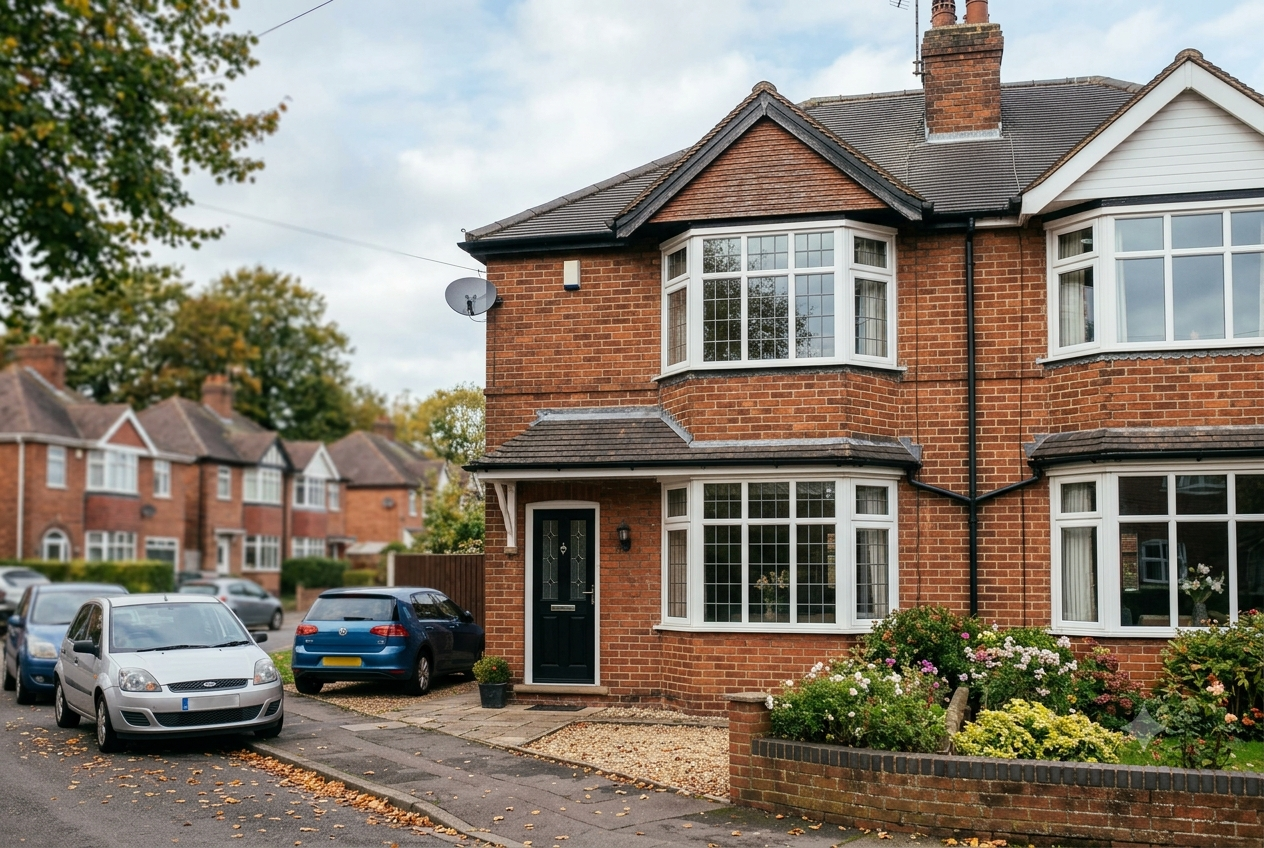
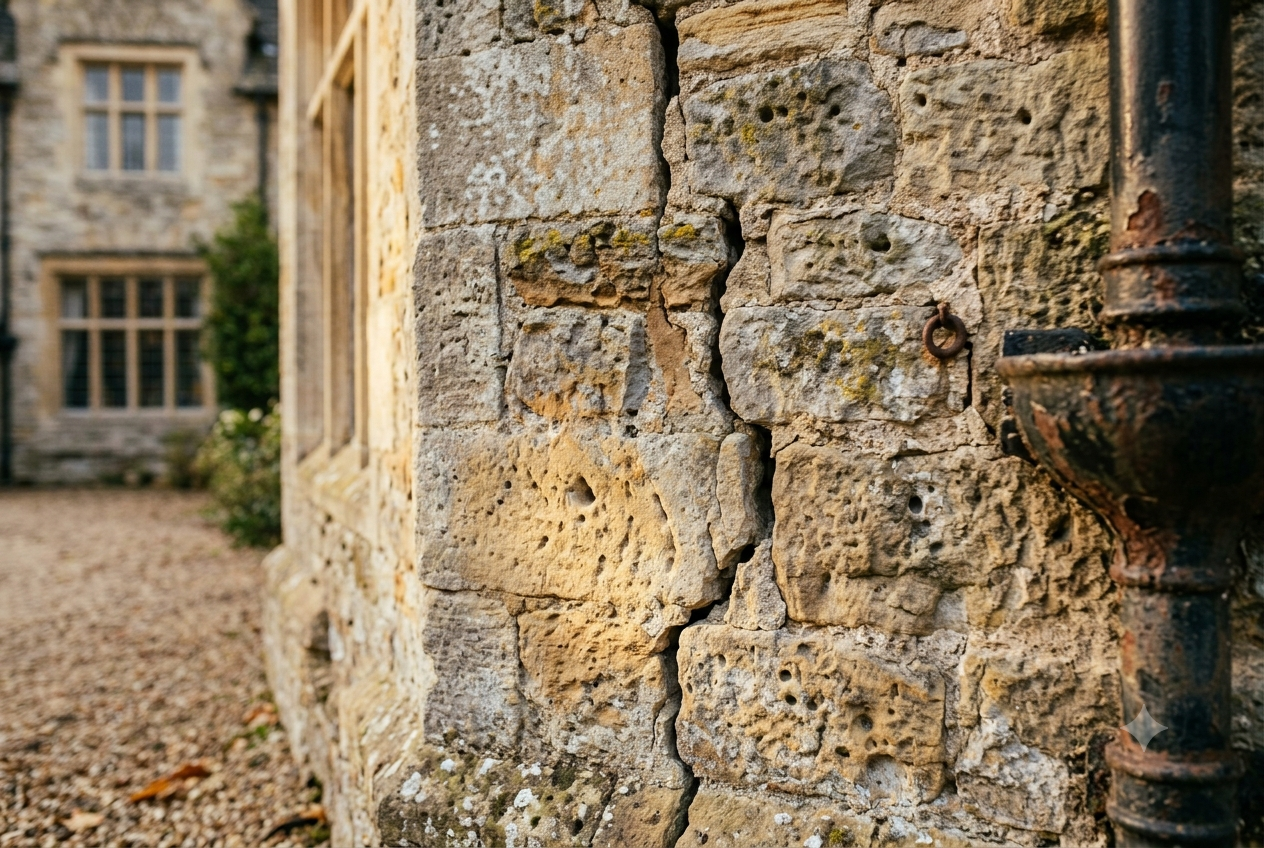
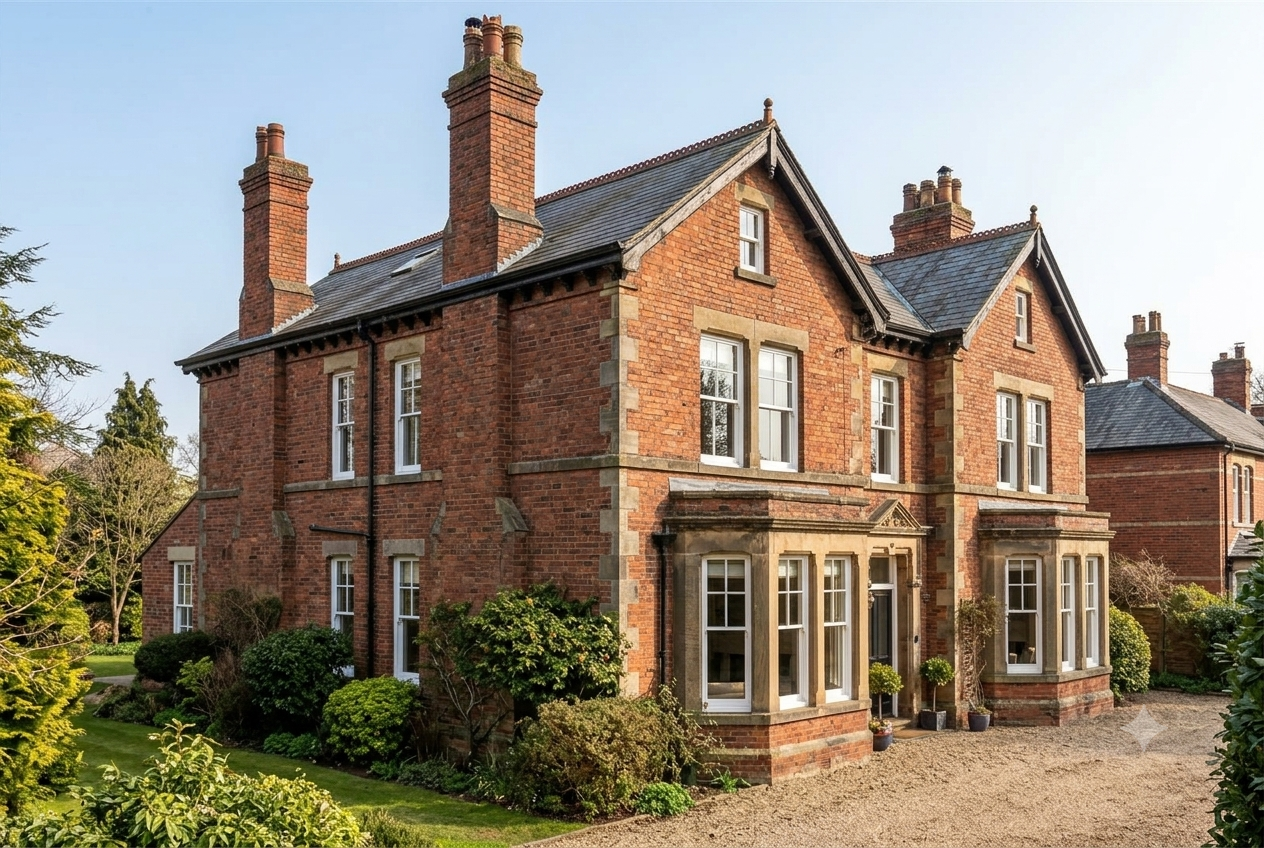
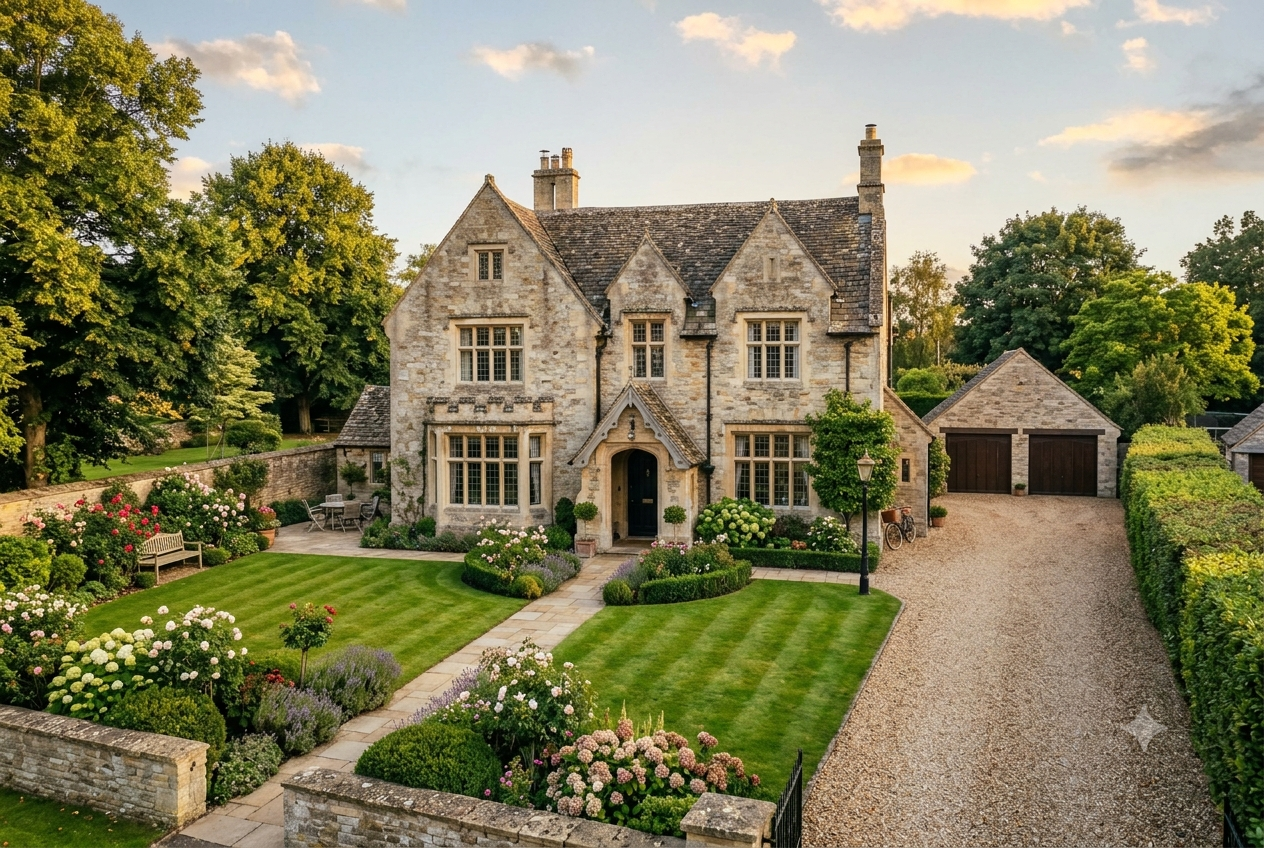
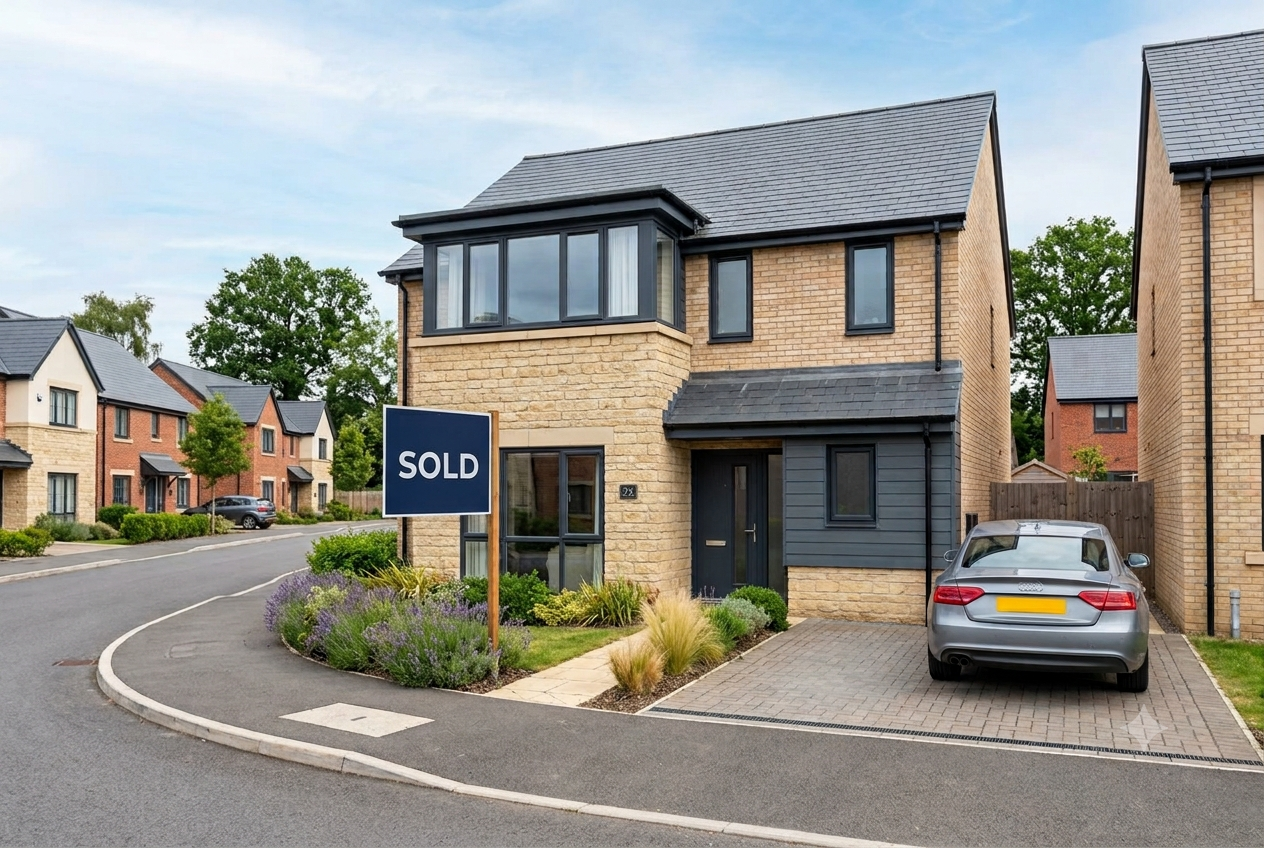
Most Victorian and later housing in Leckhampton suits a RICS Level 2 Survey well. Where a property sits near former quarry workings or old clay pits — more common than buyers often expect, given the area’s industrial history — we recommend a RICS Level 3 Survey for a closer look at ground conditions and any related structural implications.
ABOUT THIS AREA
Leckhampton was, until relatively recently, administratively separate from Cheltenham — along with Swindon Village, Up Hatherley, and Prestbury, it was only formally added to the Borough of Cheltenham in 1991, having previously belonged to the Borough of Tewkesbury. Its own railway station opened in 1881, and Victorian brick housing spread rapidly from Cheltenham’s South Town area along the new Bath Road and up Leckhampton Road towards the hamlet of Pilley.
The area’s quarrying and clay-working history is genuinely relevant to some of its ground conditions — Leckhampton Hill was quarried for stone for centuries, and several clay, brick, tile, and pottery works operated locally in the 19th century, with former clay pits near the old station repurposed into the popular Liddington Lake pleasure gardens. By the 1891 census, Leckhampton parish had grown to 3,363 residents, already including much of what’s now South Town and the University Park campus area.
We check historical land use carefully for properties near Leckhampton Hill or the old station area, given the genuine quarrying and clay-extraction activity that took place there historically.
Leckhampton’s relatively recent formal joining with Cheltenham (1991) is also worth knowing, since some older planning records may sit with what was previously Tewkesbury Borough rather than Cheltenham directly.
WHAT TO KNOW BEFORE YOU BUY
Local knowledge that matters here
A genuine quarrying and clay-working history Leckhampton Hill was quarried for stone, and clay pits fed local brick and tile works — relevant to ground conditions in some parts of the area.
Only formally part of Cheltenham since 1991 Previously in Tewkesbury Borough, alongside Swindon Village, Up Hatherley, and Prestbury.
Victorian brick housing dominates Much of the area developed rapidly in the Victorian era, spreading up from Cheltenham’s South Town.
NEARBY
Nearby areas we also cover
Don’t see your town?
Not sure which survey you need?
Answer a few quick questions and we will tell you exactly which survey is right for your property.
COMMON QUESTIONS
FAQs
When did Leckhampton become part of Cheltenham?
Formally in 1991, having previously been part of the Borough of Tewkesbury.
Does the quarrying history affect buying a house here today?
It can be relevant to ground conditions for properties near former quarry or clay-pit sites — we check this specifically where applicable.
What's the typical age of housing in Leckhampton?
Predominantly Victorian brick construction, having developed rapidly from the 1880s onward around the new railway station.
EXCELLENTTrustindex verifies that the original source of the review is Google. Happy to recommend this firm. The survey was informative and easy to understand, and our further conversations with the surveyor were veyr helpful.Posted on GoogleDavid PriceTrustindex verifies that the original source of the review is Google. Prompt, efficient, thoroughPosted on GoogleSTUART REIDTrustindex verifies that the original source of the review is Google. Very professional company which responded quickly and efficiently to my enquiry. Booking the survey was easy and the surveyor himself was polite, friendly and very good at explaining what he needed to do. The resulting report was delivered promptly and was thorough and helpful. Happy to recommend this company.Posted on GoogleDaniel WadsworthTrustindex verifies that the original source of the review is Google. These guys are good and professional. Reasonably priced, very easy to work with and good quality report. This is coming from a qualified architect who knows the industry. Highly recommend.Posted on GoogleAmelieTrustindex verifies that the original source of the review is Google. We had a great experience with cotswolds surveyor for our level 2 home survey. They took the time to advise us before we contracted with them, recommending we get a structural engineer to check the house before our survey due to the specific concerns we had, even if that could have meant we did not need to use their services in the end. They were also very responsive and helpful throughout the process.Posted on GoogleHelenTrustindex verifies that the original source of the review is Google. I found this firm very easy to deal with and they were able to arrange a survey quite promptly. Charles the surveyor gave me a call after his inspection to talk everything through, which was much better than just receiving a written report. The report followed shortly which was very comprehensive with photos and explanations included. I would highly recommend this company.Posted on GoogleFrancesco SticchiTrustindex verifies that the original source of the review is Google. The service provided was excellent and thorough. It allowed us to avoid a very troublesome acquisition of a first house. We were impressed by the level of details provided in the survey and, in particular, by the kind and precise heads up via phone call received right after the survey was completed. We could not recommend this service more for its careful and thoughtful attention to the client.Posted on GoogleSteveTrustindex verifies that the original source of the review is Google. I recently used Cotswold Surveyors for my flat purchase. Guy was thorough and knowledgable and provided a verbal report before the written one came through. I would certainly recommend them.