
RICS Home Surveys in St Mark's, Cheltenham
Developed mostly through the 1920s to 1940s, with local history tied to the Dowty engineering works and, later, GCHQ. We check construction age and history carefully here.
- RICS-regulated
- Local surveyors
- Excellent Google and Trustpilot reviews
- Option to use Klarna, 0% APR over 3 months
By submitting this form your details will be used by Cotswolds Home Surveying to provide your quote. View our Privacy Policy and Terms & Conditions
CHOOSING YOUR REPORT
Which survey suits St Mark’s properties
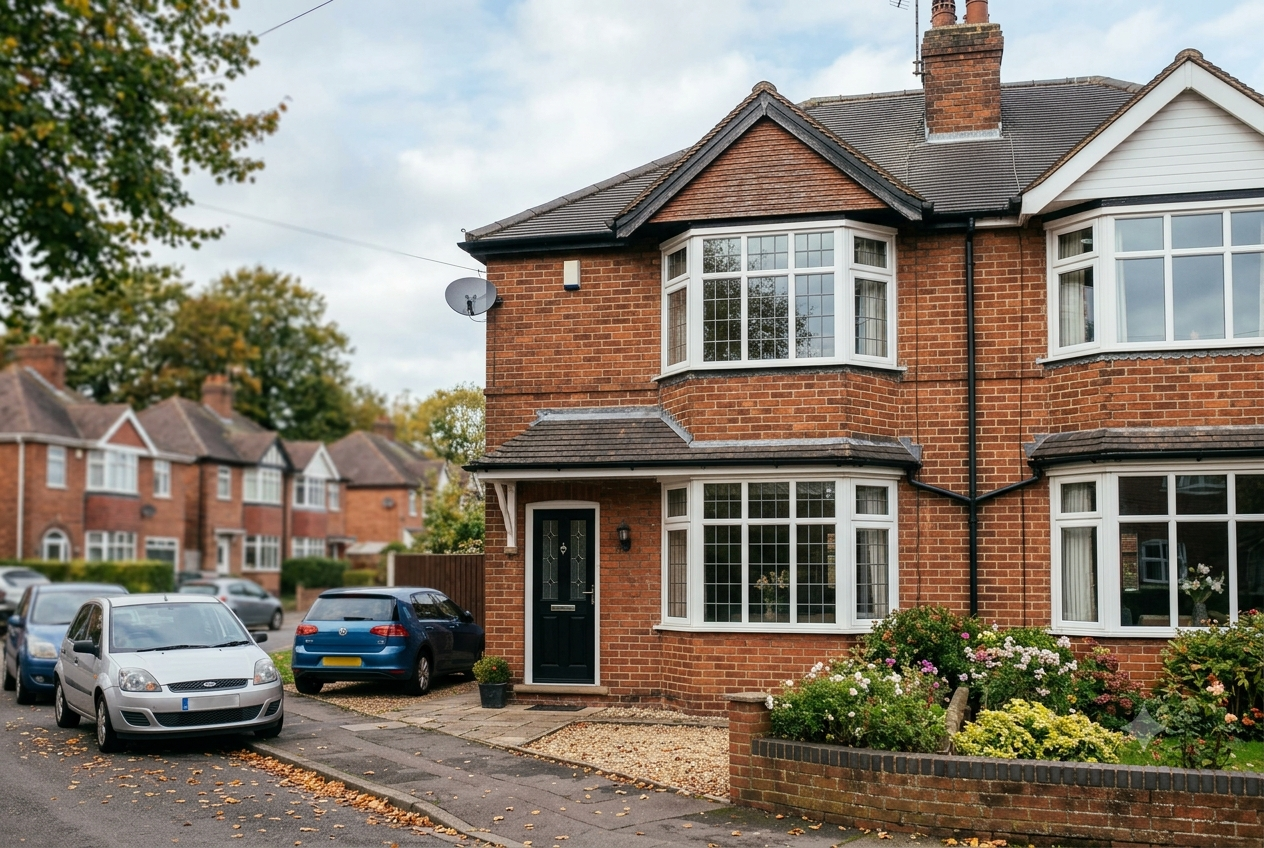
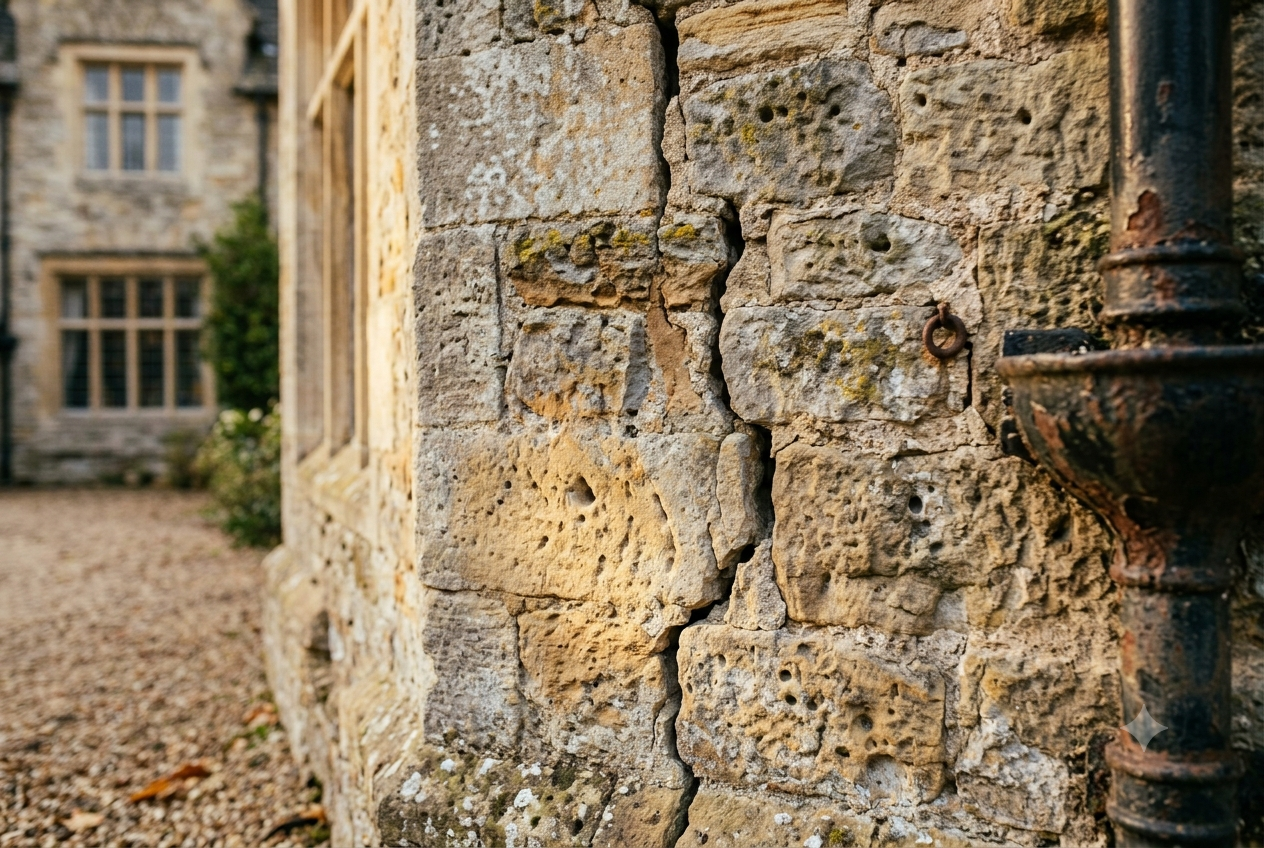
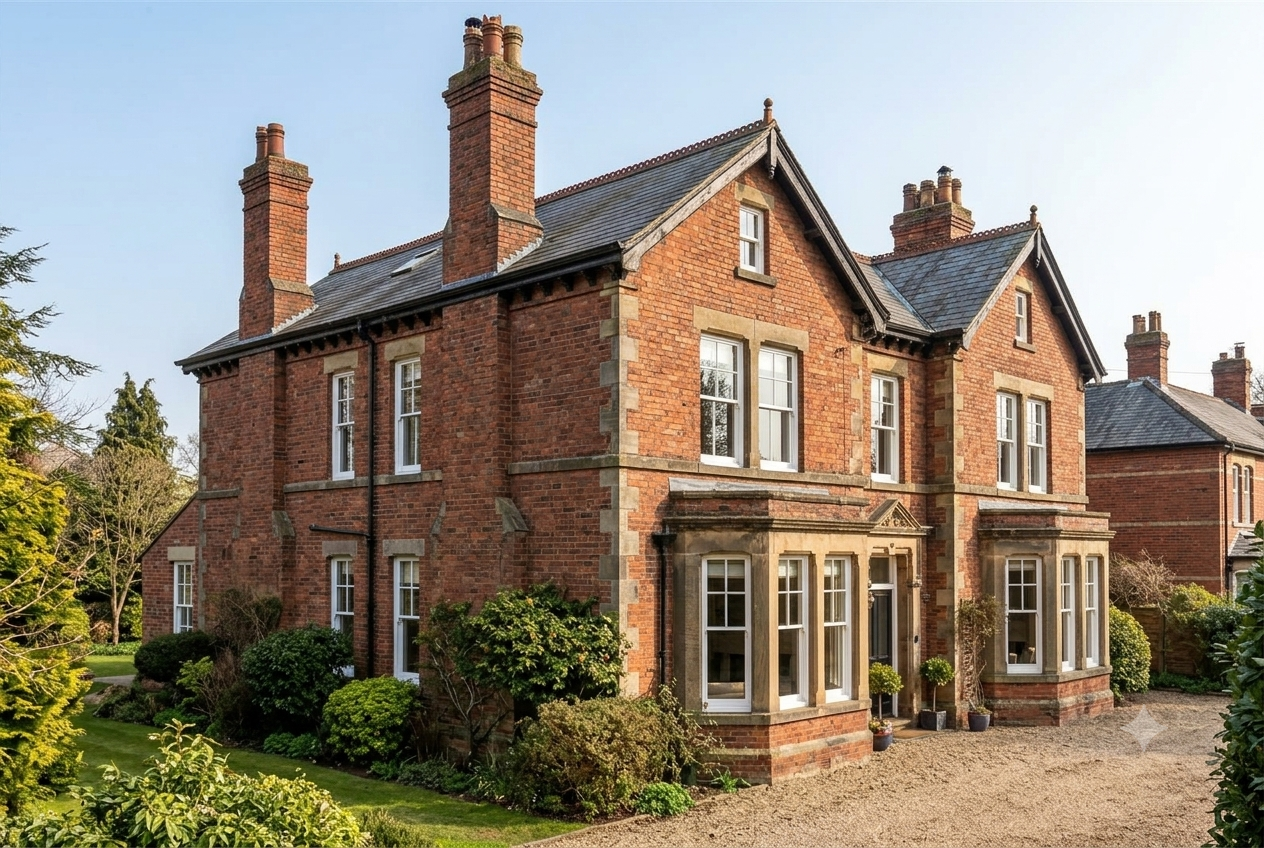
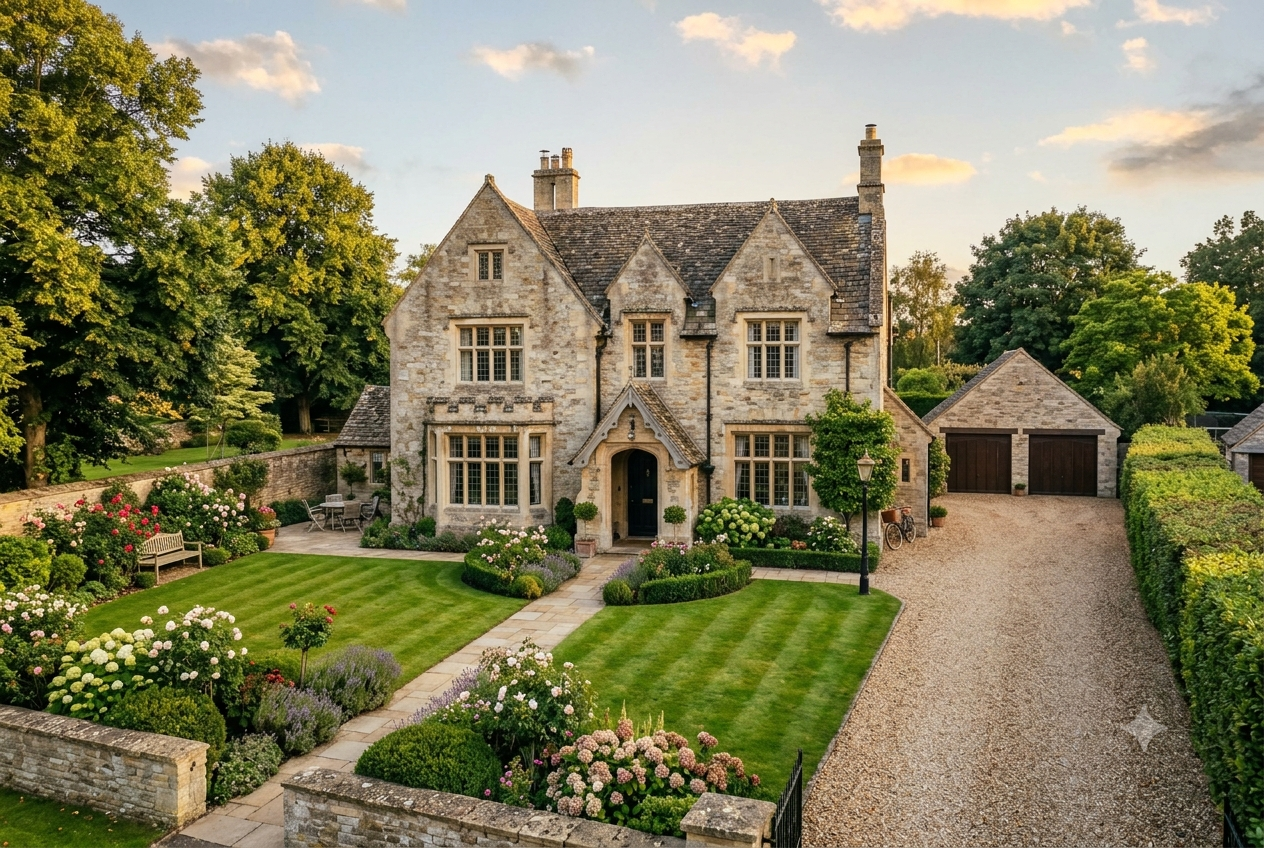
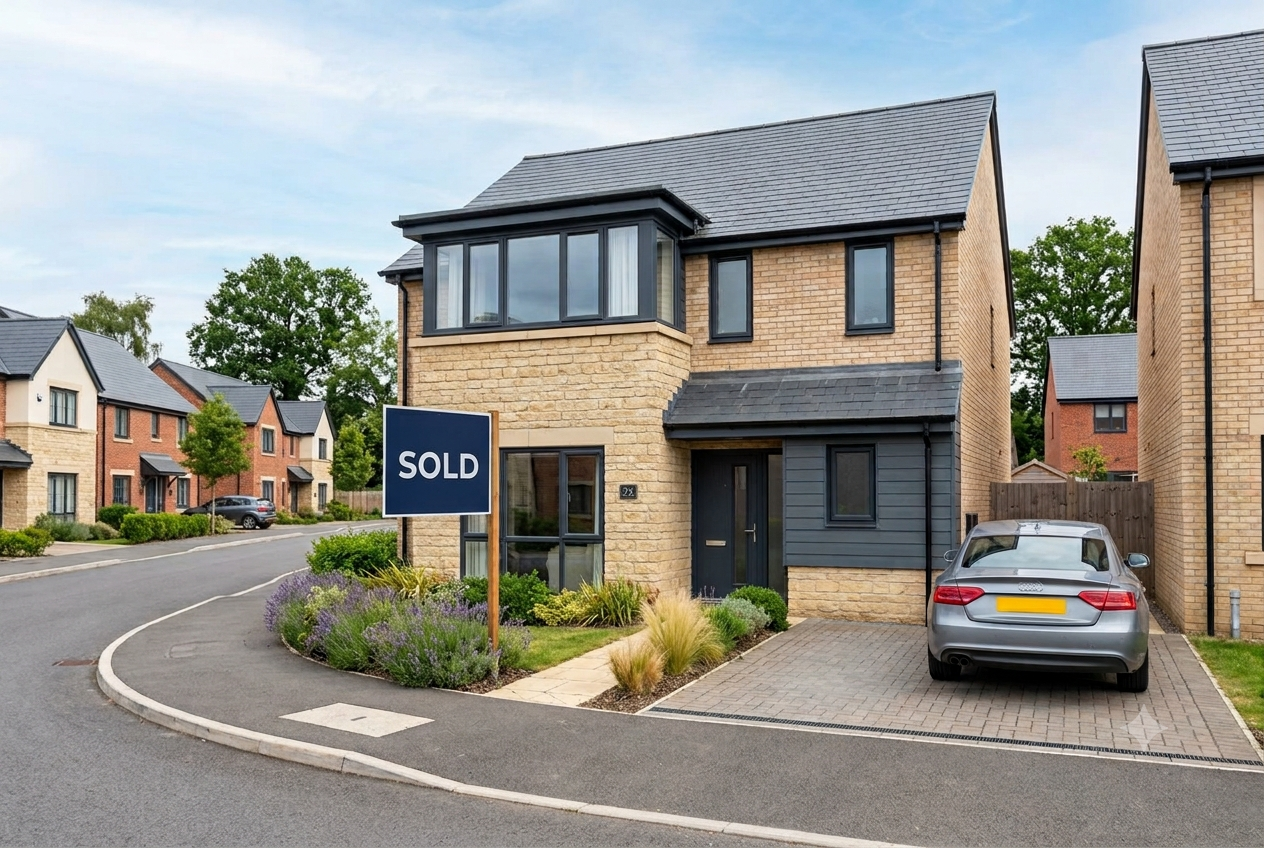
Most St Mark’s housing, dating from its 1920s–40s development period, suits a RICS Level 2 Survey well if in generally sound condition. Where a property shows signs of significant alteration, extension, or age-related wear consistent with construction from this era, we recommend a RICS Level 3 Survey for a fuller picture.
ABOUT THIS AREA
St Mark’s was developed mostly between the 1920s and 1940s, predating the larger post-war council estates that followed at neighbouring Hesters Way. Its development coincided with, and was shaped by, significant local industrial growth — the engineering firm Dowty moved to nearby Arle Court in 1935, and Princess Elizabeth Way, a major local route, was built in 1951, with the Hesters Way estate following shortly after.
The wider area around St Mark’s later became closely tied to GCHQ, the government’s communications headquarters, which arrived in Cheltenham in 1952 and has had an ongoing presence and rebuilding programme locally ever since, including major works through the 2000s.
We treat St Mark’s as genuinely distinct from neighbouring Hesters Way in construction terms — St Mark’s development predates the no-fines concrete construction common in the later Hesters Way estate, meaning standard brick construction is more typical here.
Given the area’s long-standing connection to GCHQ and its associated employment base, we also note that local demand has remained fairly stable relative to some other parts of west Cheltenham.
WHAT TO KNOW BEFORE YOU BUY
Local knowledge that matters here
Inter-war development, mostly 1920s–40s Predates the larger post-war estates at neighbouring Hesters Way, generally meaning more standard brick construction.
A long-standing connection to local industry Dowty’s move to Arle Court in 1935 and GCHQ’s arrival in 1952 have shaped the area’s employment base for decades.
Distinct in construction terms from Hesters Way Worth understanding this genuine difference when comparing properties across the two adjoining wards.
NEARBY
Nearby areas we also cover
Don’t see your town?
Not sure which survey you need?
Answer a few quick questions and we will tell you exactly which survey is right for your property.
COMMON QUESTIONS
FAQs
Is St Mark's the same as Hesters Way?
No — they’re neighbouring wards, but St Mark’s development predates Hesters Way’s post-war estate and generally uses more standard brick construction.
What's the connection between St Mark's and GCHQ?
GCHQ arrived in Cheltenham in 1952 and has had an ongoing presence and building programme nearby ever since, supporting local employment.
When was most of St Mark's built?
Mostly through the 1920s to 1940s, predating the larger post-war council developments in the wider west Cheltenham area.
EXCELLENT Based on 105 reviewsPosted on GoogleJanet FaullHappy to recommend this firm. The survey was informative and easy to understand, and our further conversations with the surveyor were veyr helpful.Posted on GoogleDavid PricePrompt, efficient, thoroughPosted on GoogleSTUART REIDVery professional company which responded quickly and efficiently to my enquiry. Booking the survey was easy and the surveyor himself was polite, friendly and very good at explaining what he needed to do. The resulting report was delivered promptly and was thorough and helpful. Happy to recommend this company.Posted on GoogleDaniel WadsworthThese guys are good and professional. Reasonably priced, very easy to work with and good quality report. This is coming from a qualified architect who knows the industry. Highly recommend.Posted on GoogleAmelieWe had a great experience with cotswolds surveyor for our level 2 home survey. They took the time to advise us before we contracted with them, recommending we get a structural engineer to check the house before our survey due to the specific concerns we had, even if that could have meant we did not need to use their services in the end. They were also very responsive and helpful throughout the process.Posted on GoogleHelenI found this firm very easy to deal with and they were able to arrange a survey quite promptly. Charles the surveyor gave me a call after his inspection to talk everything through, which was much better than just receiving a written report. The report followed shortly which was very comprehensive with photos and explanations included. I would highly recommend this company.Posted on GoogleFrancesco SticchiThe service provided was excellent and thorough. It allowed us to avoid a very troublesome acquisition of a first house. We were impressed by the level of details provided in the survey and, in particular, by the kind and precise heads up via phone call received right after the survey was completed. We could not recommend this service more for its careful and thoughtful attention to the client.Posted on GoogleSteveI recently used Cotswold Surveyors for my flat purchase. Guy was thorough and knowledgable and provided a verbal report before the written one came through. I would certainly recommend them.