
RICS Home Surveys in Hesters Way, Cheltenham
Built largely on farmland from the late 1940s using a non-standard construction method called Wimpey no-fines. We check construction type first, since it genuinely affects mortgage lending here.
- RICS-regulated
- Local surveyors
- Excellent Google and Trustpilot reviews
- Option to use Klarna, 0% APR over 3 months
By submitting this form your details will be used by Cotswolds Home Surveying to provide your quote. View our Privacy Policy and Terms & Conditions
CHOOSING YOUR REPORT
Which survey suits Hesters Way properties
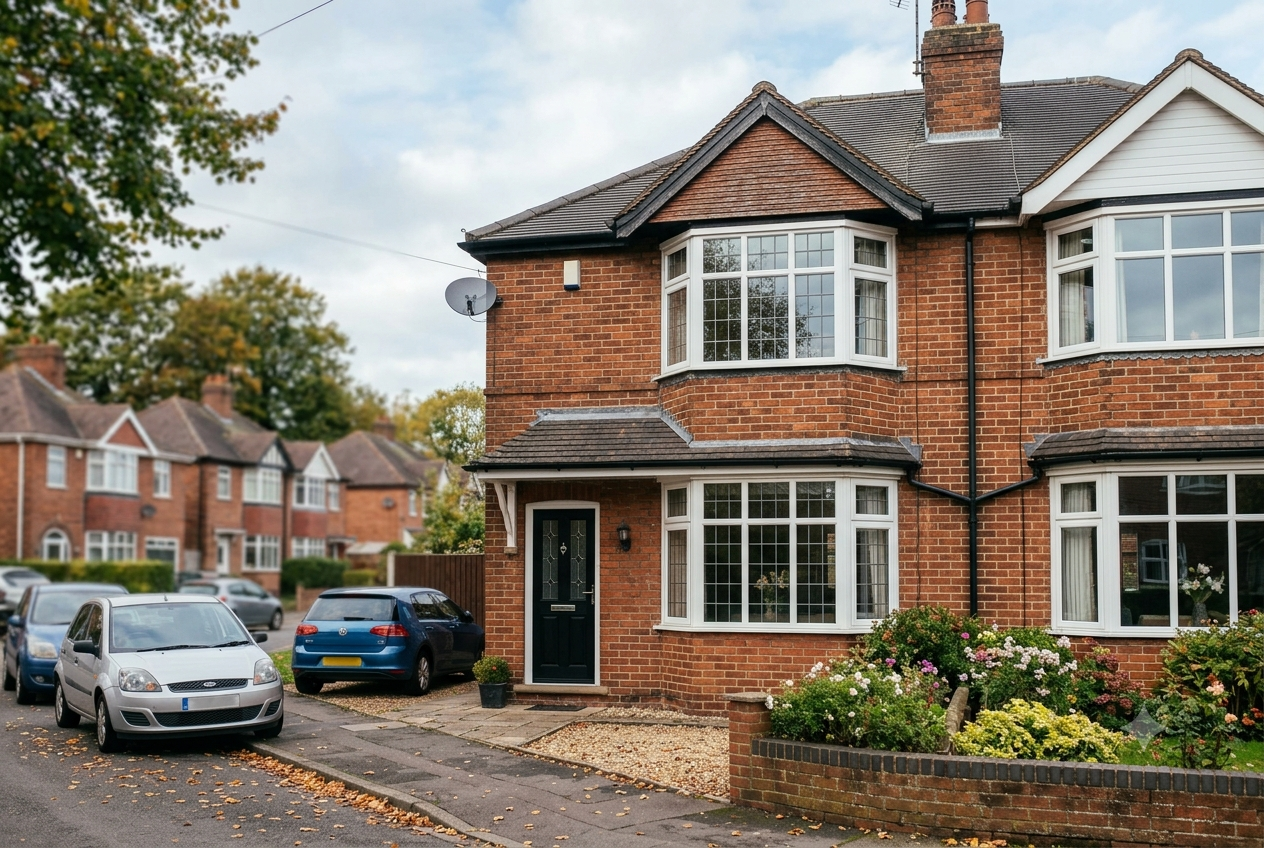

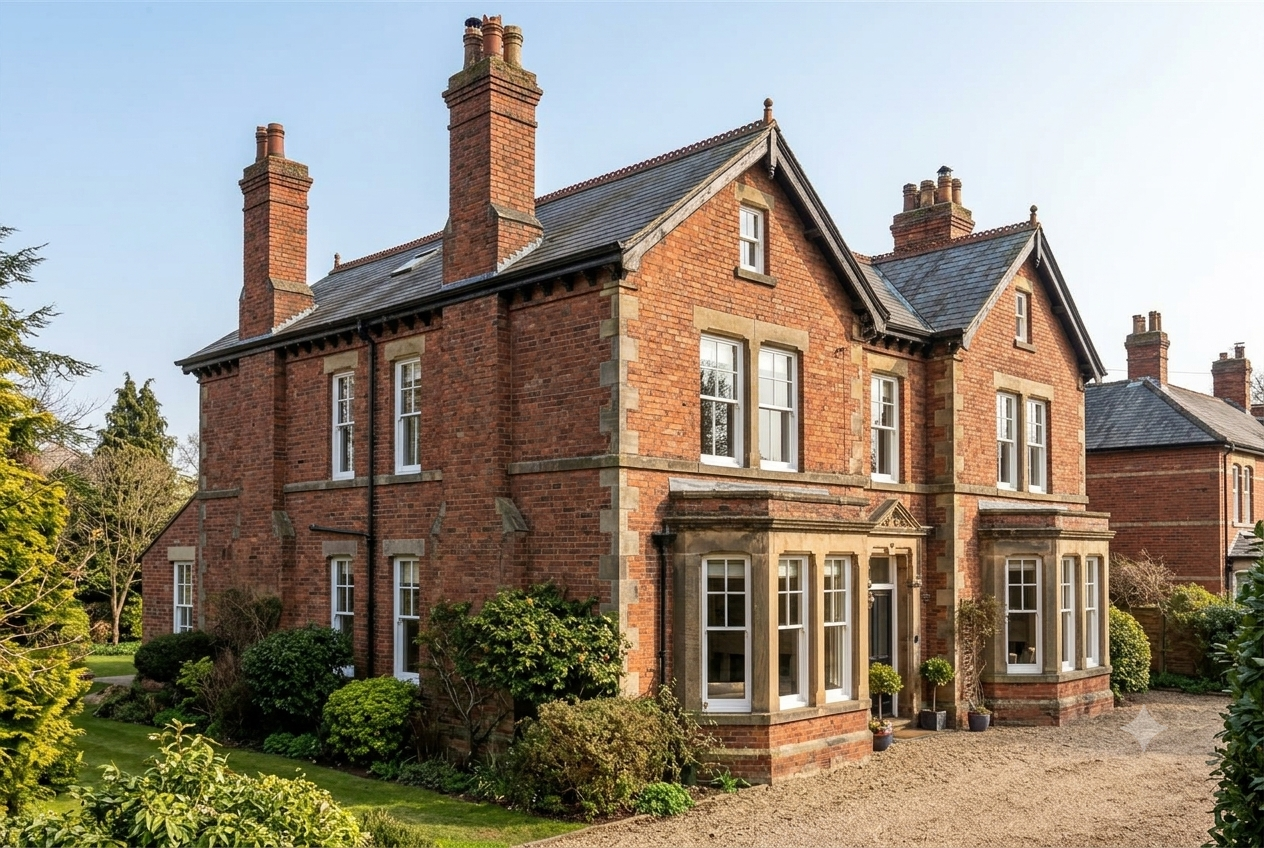


Given the presence of Wimpey no-fines construction across parts of the estate, we strongly recommend a RICS Level 3 Survey for any older, unmodernised property here until construction type is confirmed — a RICS Level 2 Survey’s rating alone doesn’t establish whether a property is standard brick or no-fines concrete, and that distinction can affect mortgage lending as much as the survey itself.
ABOUT THIS AREA
Hesters Way takes its name from Hesters Way Farm, sixty-seven and a half acres of which were compulsorily purchased by Cheltenham Corporation in 1949 as part of a national post-war drive to build new housing quickly. Further land followed from Arle Court Farm and Arle Farm through the early 1950s — almost all of it agricultural land that had been farmed for centuries beforehand.
Much of the estate was built using the Wimpey no-fines construction method — a system using no-fines concrete (concrete without the fine aggregate found in standard mixes) rather than conventional brick. This was a genuinely common technique nationally in the 1950s and 60s as councils raced to meet post-war housing demand, but it’s a non-standard construction type that some mortgage lenders still treat differently to standard brick or block construction. GCHQ’s arrival in Cheltenham in 1952, alongside local engineering firms, meant the estate originally housed a real mix of government and industrial workers.
The area has seen substantial regeneration over the past two decades — some of the less successful 1950s tower blocks and flats (including two named India House and Pakistan House) have been demolished and replaced with new housing, and a community resource centre opened in 2002 to support the wider neighbourhood.
We check construction type as one of the first things on any older Hesters Way property, since no-fines concrete construction behaves differently to brick when it comes to insulation, damp, and some lenders’ specific criteria.
Given the significant regeneration activity in the area over the past two decades, we also factor in that some streets have a genuinely different, more modern housing stock than others nearby — worth being specific about a property’s exact build era when you book.
WHAT TO KNOW BEFORE YOU BUY
Local knowledge that matters here
Wimpey no-fines construction is genuinely common here This non-standard method can affect both survey approach and mortgage lending — we confirm construction type early.
A history of significant regeneration Some of the less successful 1950s blocks have been demolished and replaced with new housing over the past two decades.
Built on farmland acquired specifically for post-war housing The estate’s land was compulsorily purchased in stages from 1945 onward, largely from agricultural use.
NEARBY
Nearby areas we also cover
Don’t see your town?
Not sure which survey you need?
Answer a few quick questions and we will tell you exactly which survey is right for your property.
COMMON QUESTIONS
FAQs
Why is it called TeWhat is Wimpey no-fines construction?mple Cowley?
A non-standard building method using no-fines concrete instead of conventional brick, common in UK council housing built in the 1950s and 60s, including much of Hesters Way.
Does non-standard construction affect getting a mortgage in Hesters Way?
t can — some lenders apply specific criteria to no-fines concrete construction, which is why confirming construction type early matters.
Has Hesters Way changed a lot in recent years?
Yes — significant regeneration has replaced some of the original 1950s tower blocks and flats with newer housing over the past two decades.
 Trustindex verifies that the original source of the review is Google. Trustindex verifies that the original source of the review is Google. Trustindex verifies that the original source of the review is Google. Trustindex verifies that the original source of the review is Google. Trustindex verifies that the original source of the review is Google. Trustindex verifies that the original source of the review is Google. Trustindex verifies that the original source of the review is Google. Trustindex verifies that the original source of the review is Google.